By The fitness-ritual.com Editorial Team
What Turmeric Actually Does in the Body
Turmeric is the golden spice common in South Asian cooking. Most of its studied health effects come from one compound: curcumin. Researchers have studied curcumin for its antioxidant and anti-inflammatory effects. A good amount of research has looked at how it may help joint discomfort from osteoarthritis, and to a lesser extent, rheumatoid arthritis.

It helps to set fair expectations here. Turmeric is a supportive habit, not a replacement for medical treatment. Results vary between people and between studies. Still, for many people with everyday joint discomfort, it's a reasonable, low-risk addition to try alongside other strategies.
What the Research Suggests
Several studies have compared curcumin to a placebo in people with osteoarthritis. Most found modest gains in pain and stiffness after several weeks of regular use. Some studies even compared curcumin to common over-the-counter pain relievers. They found similar relief, with a different set of side effects. That said, many of these studies are small, and turmeric products vary widely. Researchers don't view turmeric as a cure or a substitute for prescribed treatment.
Why Absorption Matters
On its own, the body absorbs curcumin poorly. Most of it passes through without reaching the bloodstream in useful amounts. This is why curcumin supplements are often paired with piperine, an extract from black pepper. Research shows this pairing can boost absorption a lot. Cooking turmeric with a bit of black pepper and a fat, like olive oil, follows this same idea in everyday meals.
Practical Ways to Add Turmeric to Your Diet
Golden Milk
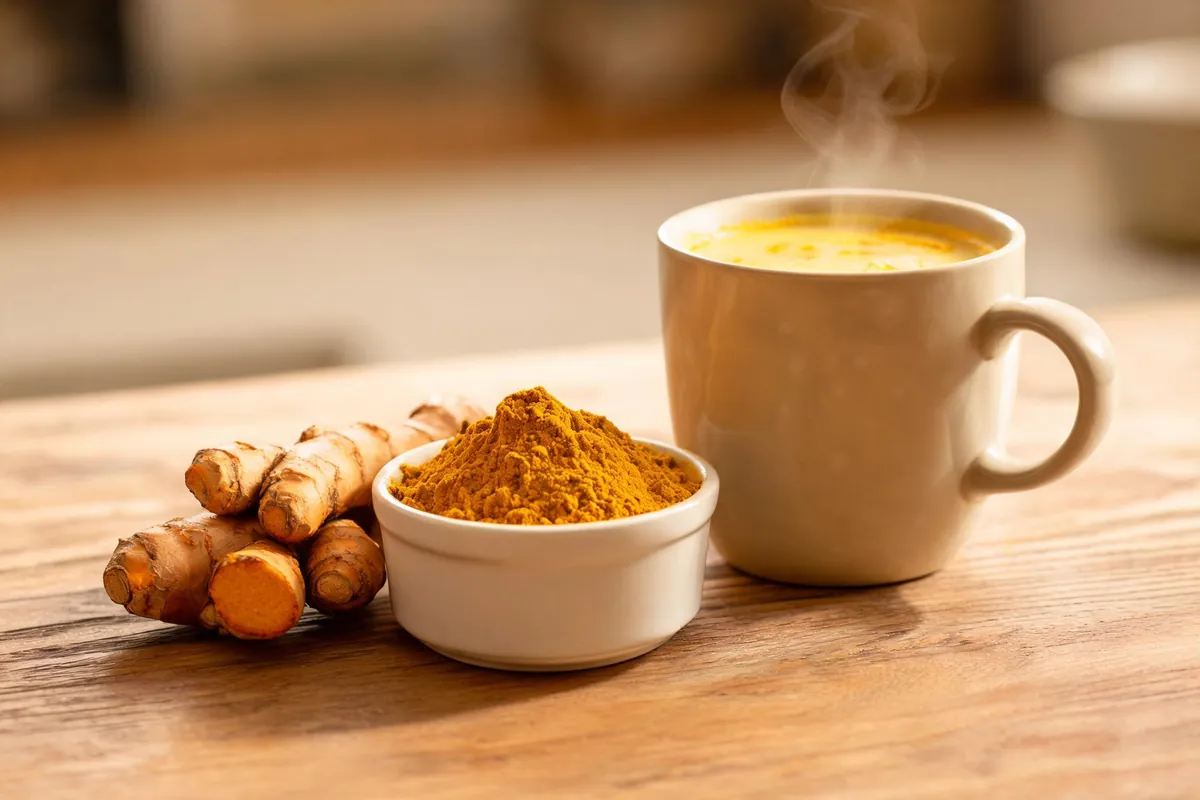
A warm drink made with turmeric, a pinch of black pepper, and milk or a plant-based alternative, often enjoyed in the evening.
Curries and Soups
Turmeric is a natural fit in curries, lentil soups, and roasted vegetables, where it pairs well with other anti-inflammatory ingredients like ginger and garlic.
Scrambled Eggs or Rice
A simple pinch of turmeric adds color and flavor to everyday dishes without requiring a recipe overhaul.
Turmeric Supplements
For a more concentrated dose, standardized curcumin supplements (often paired with black pepper extract) are widely available, though it's worth discussing the right form and dose with your doctor, especially given the next section.
Safety Considerations Worth Knowing
Turmeric used in cooking is generally safe for most people. Concentrated supplements are different and call for more caution. Curcumin can interact with blood-thinning medications like warfarin. High doses may also affect people with gallbladder issues, or those preparing for surgery. Talk to your doctor before starting a concentrated turmeric or curcumin supplement, especially if you take blood thinners, have had kidney stones, or manage a chronic condition.
Turmeric as Part of a Bigger Picture
Turmeric works best as one piece of a bigger approach to joint health. Pair it with gentle exercise, a broader anti-inflammatory eating pattern, and proper medical care. Expecting it to work alone, or to replace prescribed arthritis treatment, tends to lead to disappointment. As a complementary habit, though, many people find it a worthwhile, low-cost addition to their routine.

If you're building a broader nutrition routine around joint health, Kalorix can help you track how these habits fit into your overall eating pattern.
Frequently Asked Questions
Does turmeric really help with arthritis pain?
Several studies suggest curcumin, turmeric's active compound, can modestly improve pain and stiffness in people with osteoarthritis, though results vary and it isn't a substitute for medical treatment.
How much turmeric should I take for joint pain?
There's no single universal dose, and this varies by supplement formulation. It's best to follow the product's guidance and check with your doctor, particularly if you take other medications.
Is it better to get turmeric from food or supplements?
Both have a place. Culinary use is a low-risk way to build the habit, while supplements offer a more concentrated, standardized dose for people specifically targeting joint discomfort, ideally under medical guidance.
Can turmeric interact with medications?
Yes, most notably with blood-thinning medications like warfarin. It's important to tell your doctor about any turmeric or curcumin supplement you're taking, especially if you're on prescription medication.
How long does it take for turmeric to work for joint pain?
In studies, improvements are often measured after several weeks of consistent use, generally 4 to 8 weeks, rather than immediate relief. Consistency tends to matter more than any single dose.
In Summary
Turmeric, largely through its active compound curcumin, has real research support as a complementary tool for easing joint discomfort, particularly when paired with black pepper for better absorption. It works best alongside movement, a broader anti-inflammatory eating pattern, and medical guidance, especially if you take other medications.
Medical Disclaimer: This content is for informational purposes only and is not intended as medical advice. Always consult a qualified healthcare provider before starting turmeric or curcumin supplements, especially if you take blood thinners or manage a chronic condition. See our full medical disclaimer for details.