By The fitness-ritual.com Editorial Team
How Food and Joint Discomfort Are Connected
Chronic low-grade inflammation is one of the quieter contributors to joint discomfort as we age, and what's on your plate plays a real role in either fueling or calming it. This isn't about any single "miracle food," it's about a consistent eating pattern, similar in spirit to the well-studied Mediterranean diet, that leans on whole foods known to support the body's natural anti-inflammatory processes while limiting the foods that tend to encourage inflammation.

Research on diet and joint health, including studies in people with osteoarthritis and rheumatoid arthritis, suggests that dietary patterns can meaningfully influence how joints feel day to day, alongside movement, weight management, and medical care.
Foods That May Help Support Joint Comfort
Fatty Fish
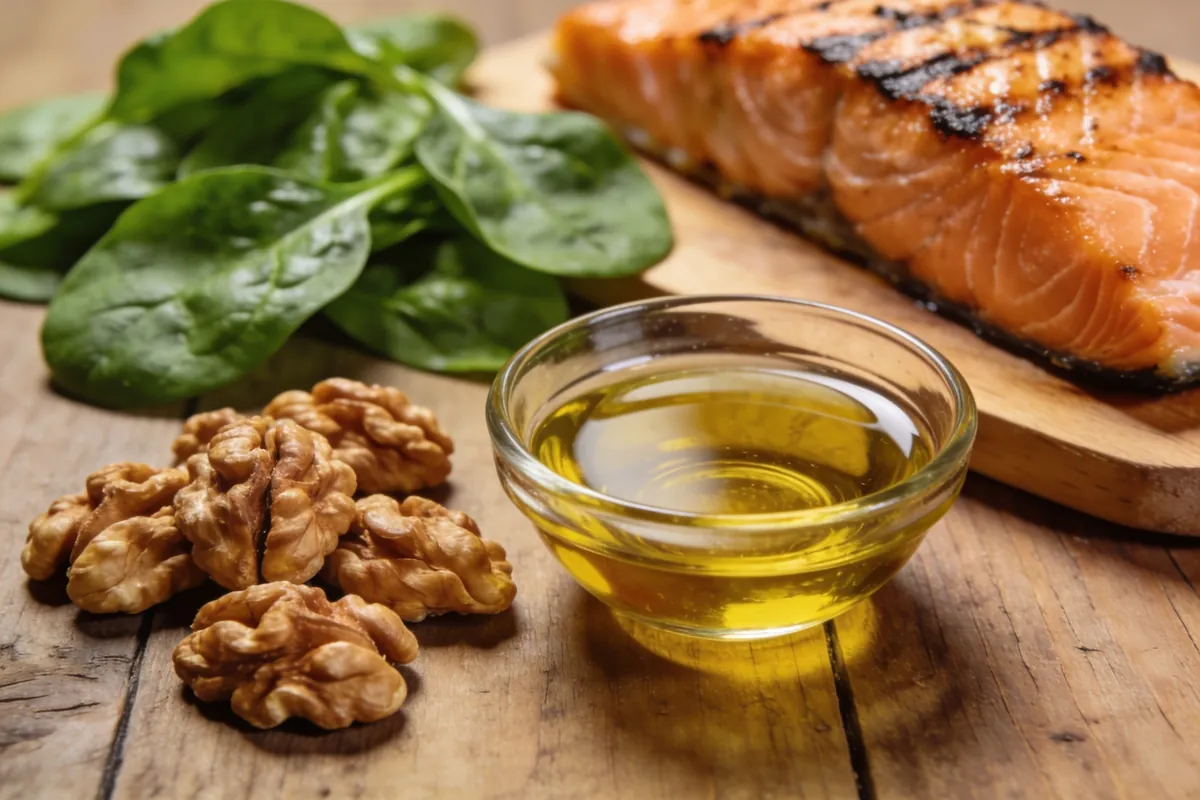
Salmon, sardines, and mackerel are rich in omega-3 fatty acids, among the most studied nutrients for their role in supporting a balanced inflammatory response. Aiming for fatty fish two to three times a week is a common recommendation.
Leafy Greens
Spinach, kale, and Swiss chard are packed with antioxidants and vitamin K, nutrients that research links to lower markers of inflammation in the body.
Berries
Blueberries, strawberries, and cherries contain anthocyanins, plant compounds studied for their antioxidant and anti-inflammatory properties, along with fiber and vitamin C.
Turmeric
The active compound in turmeric, curcumin, has been studied for its potential role in reducing joint discomfort, though it's worth noting that curcumin is poorly absorbed on its own and is often paired with black pepper to improve absorption.
Nuts and Olive Oil
Walnuts, almonds, and extra virgin olive oil provide healthy fats and plant compounds associated with reduced inflammatory markers, and they're a defining feature of the Mediterranean eating pattern.
Ginger
Long used in traditional practices for joint discomfort, ginger contains compounds that some studies suggest may help ease inflammation, similar in mechanism to turmeric.
Foods That May Work Against Joint Comfort
Highly processed foods, refined sugar, and fried foods are generally associated with higher inflammatory markers in research. Refined carbohydrates, like white bread and pastries, and processed meats also tend to be linked with increased inflammation when eaten frequently. This doesn't mean these foods need to disappear entirely, but shifting the balance of your plate toward whole foods most of the time tends to make the biggest difference.
Building a Joint-Friendly Day of Eating
A practical approach: build meals around vegetables, whole grains, and a lean protein or fatty fish, use olive oil as your primary fat, snack on berries or a small handful of nuts, and season generously with turmeric, ginger, and garlic where it fits the dish. Small, consistent shifts like these tend to be far more sustainable, and effective over time, than a strict short-term "anti-inflammatory diet" that's hard to maintain.

Want help putting this into practice day to day? Kalorix can help you log meals and see how your eating pattern shapes up over time.
Frequently Asked Questions
What foods are best for reducing joint inflammation?
Fatty fish, leafy greens, berries, turmeric, ginger, nuts, and olive oil are among the most researched options for supporting a healthier inflammatory balance in the body.
Can diet alone fix arthritis or joint pain?
Diet is one part of a broader picture that includes movement, weight management, and medical treatment. It can meaningfully support joint comfort, but it isn't a replacement for medical care when a diagnosed condition is involved.
Does turmeric really help with joint pain?
Some research suggests curcumin, the active compound in turmeric, may help ease joint discomfort, though results vary between studies and individuals. It's generally considered safe as a food, but talk to your doctor before taking concentrated supplements, especially alongside blood thinners.
What foods should I limit for joint health?
Highly processed foods, refined sugar, fried foods, and processed meats are commonly associated with higher inflammatory markers when eaten frequently, so limiting them, rather than eliminating them entirely, tends to help.
How long does it take to notice a difference from dietary changes?
This varies quite a bit between individuals. Some people notice changes within a few weeks of consistent dietary shifts, while for others it takes longer, and joint symptoms are influenced by many factors beyond diet alone.
In Summary
An eating pattern built around fatty fish, colorful produce, healthy fats, and anti-inflammatory spices like turmeric and ginger can meaningfully support joint comfort over time, especially when limiting processed and fried foods. Think consistency over perfection, and pair dietary changes with movement and medical guidance for the best results.
Medical Disclaimer: This content is for informational purposes only and is not intended as medical advice. Always consult a qualified healthcare provider before making significant changes to your diet, especially if you have a diagnosed joint condition or take medication. See our full medical disclaimer for details.