If you've noticed your shoulders feel tighter getting dressed, or bending down to tie your shoes takes a little more effort than it used to, you're not imagining it. Flexibility naturally declines with age as muscles lose water content and connective tissue becomes less elastic. The good news: a consistent stretching routine can slow, and in many cases partially reverse, that stiffness — helping you move through daily life with more ease and confidence.
In this guide, we'll walk through why flexibility changes with age, which type of stretch is safest for older adults, a full set of stretching exercises for seniors you can start today, and how often to stretch to see real results.
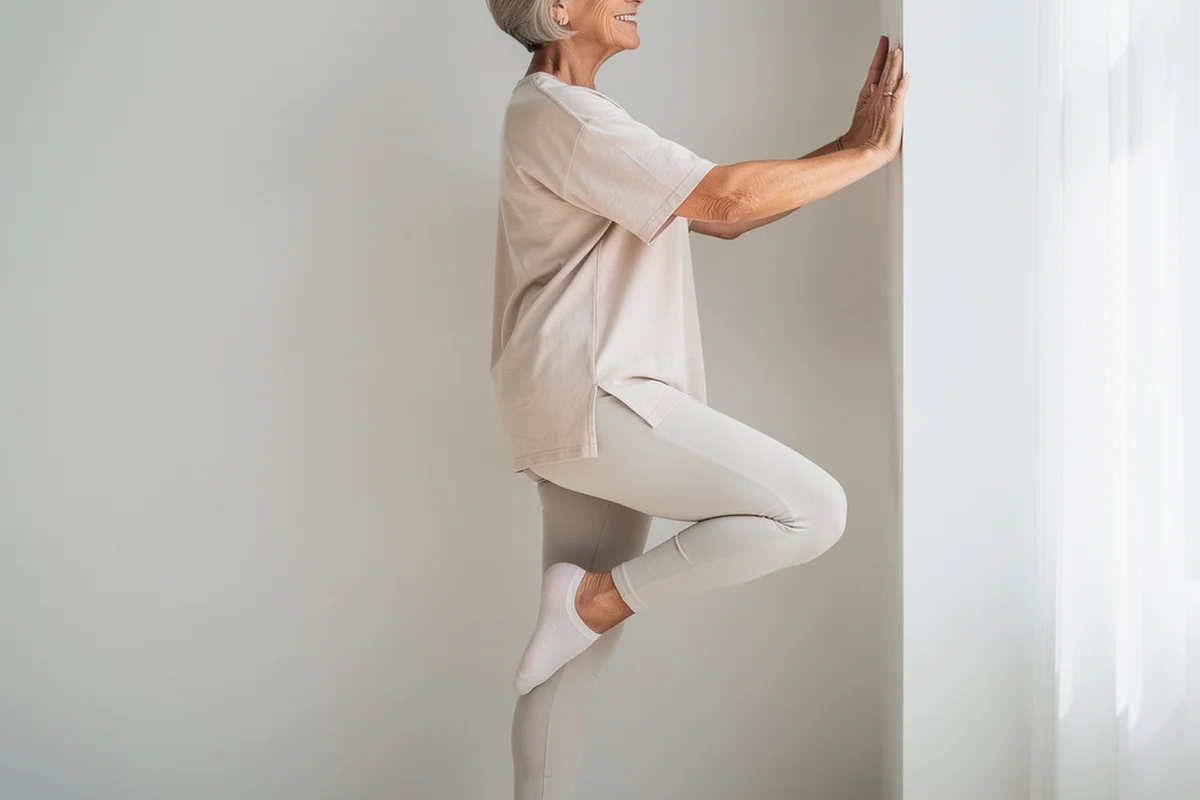
Why Flexibility Matters More After 60
Flexibility isn't just about touching your toes. It's what lets you reach a top shelf, turn to check your blind spot while driving, or get up from a low chair without bracing yourself against the armrest. As joints lose range of motion and muscles tighten, everyday movements that once felt automatic can start to feel effortful — or even risky.
Regular stretching exercises for seniors can help maintain the mobility needed for these daily activities, support better posture, and — by keeping joints stable and helping improve balance — make an unexpected stumble less likely to turn into a fall. Stretching also tends to ease general stiffness, which many people notice most first thing in the morning or after long periods of sitting.
Beyond the physical benefits, sticking with a stretching exercise routine can also support independence. Being able to reach, bend, and turn comfortably means relying less on others for everyday tasks — and that has a real impact on confidence and overall well-being as we age.
Can Seniors Regain Flexibility After 60?
Yes — flexibility is trainable at any age. While muscle and connective tissue changes are a normal part of aging, research on older adults consistently shows that a regular stretching routine can meaningfully improve range of motion within just a few weeks. The key is consistency: short, frequent sessions tend to produce better results than occasional long ones.
It's also worth remembering that regaining flexibility doesn't mean returning to the range of motion you had at 30. The goal is functional flexibility — enough ease of movement to comfortably reach overhead, bend to pick something up, or twist to look behind you.
Static vs. Dynamic Stretching: What's Safer for Seniors?
Static stretching — holding a stretch in one position, typically for 10 to 30 seconds — is generally considered the safest and most effective approach for older adults. It gently lengthens muscles without sudden movement, making it well suited to stiff joints or sensitive areas.
Dynamic stretches involve controlled, repetitive movement through a range of motion, like gentle arm circles or leg swings. These can be useful as a warm-up before activity, but should be done slowly and with support nearby if balance is a concern.
What seniors should generally avoid is bouncing or jerking movements that force a muscle past its comfortable range. This type of movement carries a higher risk of injury and is not considered appropriate for a senior fitness program, particularly for anyone with joint pain or arthritis.
7 Stretching Exercises for Seniors to Maintain Flexibility
These stretches target the areas that tend to tighten most with age: the neck, shoulders, back, hips, and legs. Move slowly, breathe normally, and stop if you feel sharp pain — mild tension is normal, discomfort is not. Aim to hold each stretch for about 20 seconds, and repeat two to three times per side for the best results.
1. Neck Stretch
Sit tall and gently tilt your head toward one shoulder until you feel a stretch along the opposite side of your neck. Hold for a slow count of 20, then switch sides. This helps relieve tension that builds up from looking down at phones, books, or screens.
2. Shoulder and Chest Stretch
Clasp your hands behind your back (or hold a towel if your hands don't meet) and gently lift your arms while opening your chest. This stretch counteracts the forward-rounded posture common from long periods of sitting, and it also helps relieve tight muscles across the upper body that build up from carrying bags or working at a desk.
3. Seated Hamstring Stretch
Sit at the edge of a sturdy chair, extend one leg straight with your heel on the floor, and lean gently forward from your hips until you feel a stretch along the back of your thigh. Hold, then switch legs. Tight hamstrings are a major contributor to lower back discomfort.
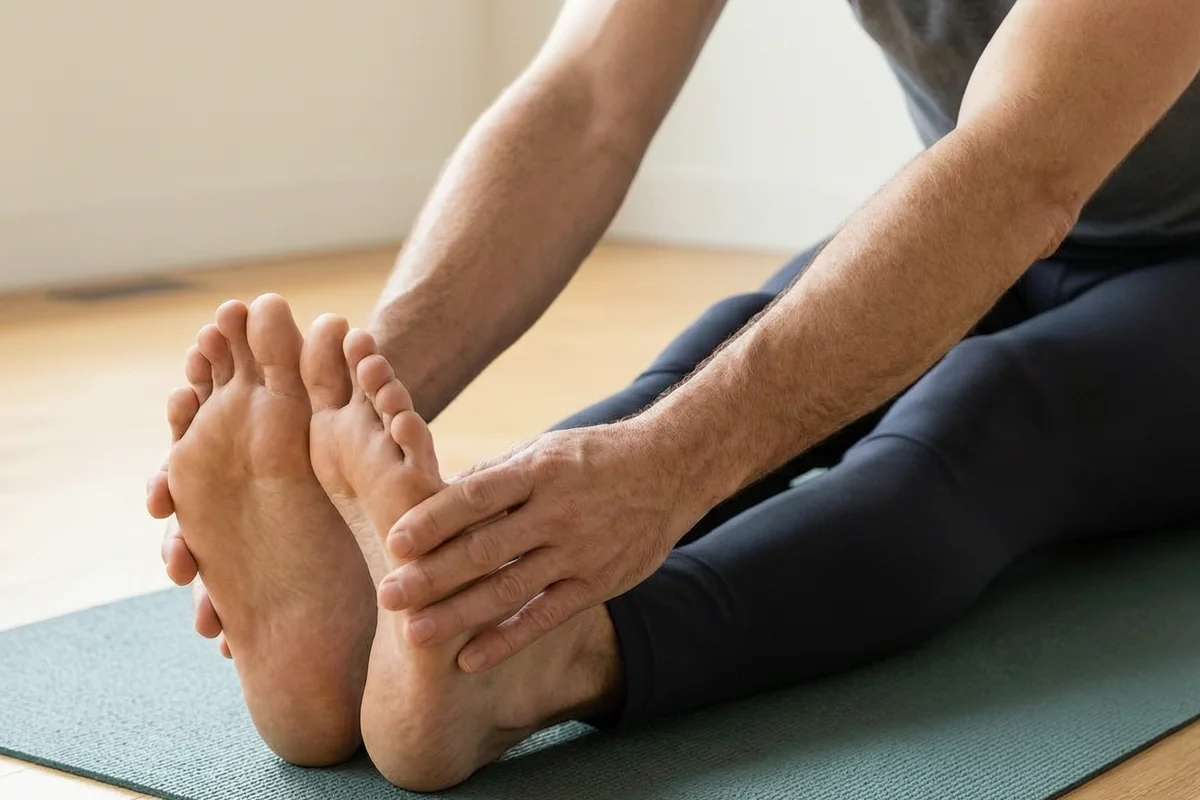
4. Hip Flexor Stretch
Holding onto a chair or counter for support, move into a gentle split stance with one foot forward and one foot back, then slowly lower your hips until you feel a stretch along the front of the hip on your back leg. Keep your torso upright throughout. This stretch is especially valuable for anyone who spends long stretches of the day seated.
5. Calf Stretch
Stand an arm's length from a wall, hands resting against it for balance. Slide one leg behind you, straighten it, and lean your weight forward until you feel the stretch through your calf muscle. Switch legs after holding. This one helps preserve ankle mobility, which quietly plays a big role in staying steady on your feet.
6. Lower Back Stretch
While seated, gently bring one knee toward your chest using both hands, keeping your back straight. This can help relieve tightness in the lower back that often builds up from sitting or standing for long periods.
7. Seated Spinal Twist
Sitting tall, place one hand on the opposite knee and gently twist your torso, looking over your shoulder. This gentle rotation helps maintain flexibility in the spine, supporting easier movement when turning or reaching for something behind you.
Stretching Tips for Seniors With Arthritis
If you live with arthritis, stretching is still generally encouraged — gentle, consistent movement tends to reduce stiffness rather than worsen it. A few adjustments can make it more comfortable:
- Save your stretches for after a warm shower or later in the day, once your joints have had time to loosen up
- Ease into position gradually — no sudden lunges or forceful pushes into the stretch
- Aim for gentle tension rather than chasing your maximum range
- If a particular stretch aggravates a joint, back off and try holding it for less time instead
How Often Should Seniors Stretch?
For general flexibility and mobility, aim for a stretching routine at least 2 to 3 times per week, though daily stretching tends to produce the most noticeable improvement in range of motion over time. Sessions don't need to be long — even 10 minutes of focused stretching, done consistently, can meaningfully support flexibility and quality of life over the following weeks.
Safety Precautions Before You Start
Stretching is low-risk for most older adults, but a few precautions are worth keeping in mind:
- Warm up first with a few minutes of light movement, like walking in place
- Use a sturdy chair or wall for balance support during standing stretches
- Ease into each position rather than pushing toward pain — a good stretch feels like tension, not a warning sign to back off
- Loop in your doctor before adding any new routine, especially if a joint condition, a recent surgery, or shaky balance is part of the picture for you
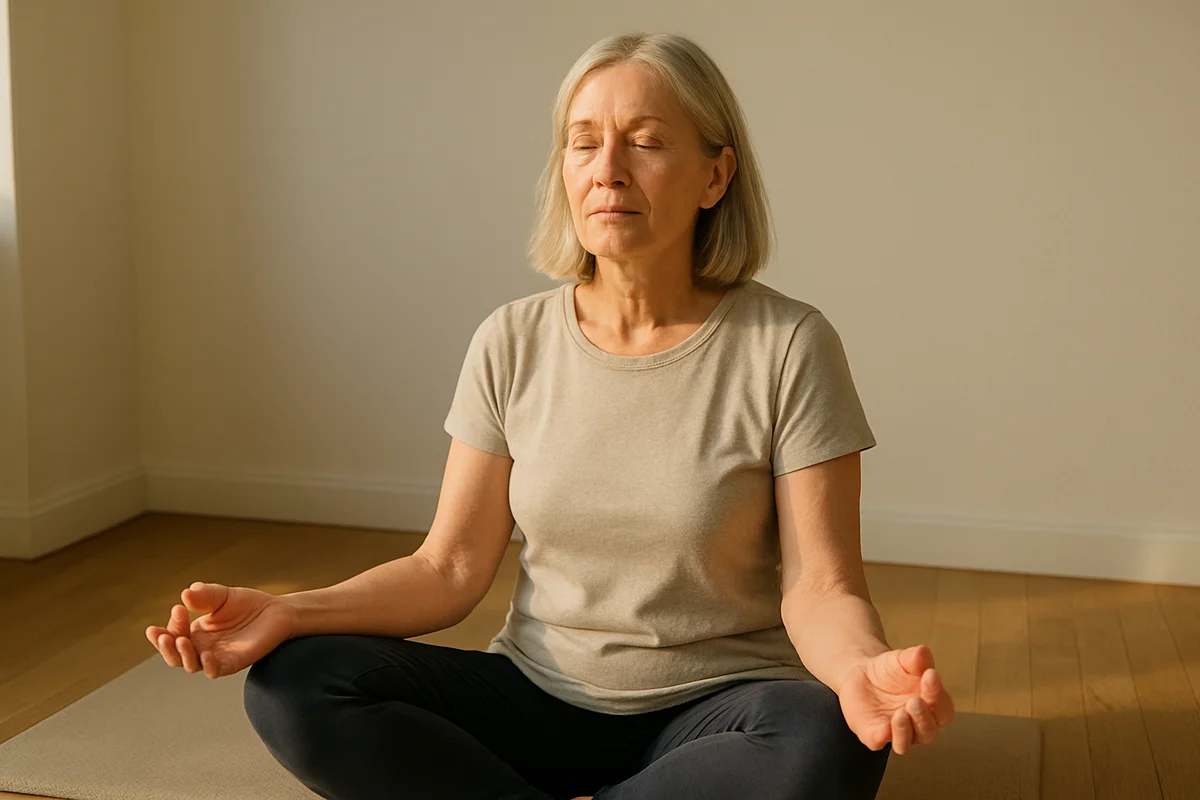
Building Stretching Into Your Daily Routine
The seniors who see the best results from stretching are rarely the ones doing the most intense sessions — they're the ones who stay consistent. Pairing your stretching routine with an activity you already do daily, like right after your morning coffee or before bed, can help it stick without needing extra willpower each time.
Tracking your broader health habits alongside your stretches — like your movement and nutrition each day — can also help you see the bigger picture of how these small, consistent efforts add up. Tools like Kalorix make it easy to log your meals and habits in one place, so you can stay motivated as your mobility and overall wellness improve together.
Frequently Asked Questions
What stretches should seniors do every day?
A short set of daily flexibility exercises for seniors covering the neck, shoulders, hamstrings, hips, and calves is enough to maintain flexibility for most people. You don't need to do every stretch every day — even rotating through 3 or 4 of the stretches above, held for 10 to 30 seconds each, can help loosen tight areas and improve flexibility over time.
How often should a 70 year old stretch?
Most experts recommend stretching at least 2 to 3 times per week, though daily sessions tend to bring faster, more noticeable results. At 70 and beyond, gentle and frequent stretching is generally safer and more effective than infrequent, intense sessions.
What is the best free stretching app for seniors?
Several free apps and YouTube channels offer guided stretching exercise routines designed specifically for older adults, often featuring seated or chair-based options for those with limited mobility. Look for programs that clearly demonstrate proper form and offer a beginner or "gentle" difficulty level.
What type of stretching is least advisable for seniors?
Ballistic stretching — bouncing forcefully into a stretch — is the type of stretch most often discouraged for a senior fitness program, since it raises the risk of muscle strain or joint injury without added flexibility benefit.
The information on fitness-ritual.com is shared for general educational purposes and reflects common recommendations for healthy aging — it isn't a diagnosis, treatment plan, or substitute for guidance from your own doctor or physical therapist. If you're managing a joint condition, recovering from surgery, or dealing with balance issues, loop in your healthcare provider before trying anything new here.