Most falls and injuries among older adults happen at home, often in rooms they've lived in for decades. A simple home safety checklist for seniors can catch the small hazards that build up over time — a loose mat, a dim hallway, a missing handrail — before they cause a serious injury. This room-by-room guide walks through the most important safety checks for seniors living alone or with family, whether you're evaluating your own home or a parent's.
Why Home Safety Matters for Seniors
As we age, changes in balance, vision, and mobility make everyday hazards riskier. A hazard that a younger adult would step over without noticing can send a senior to the emergency room. Falls are the leading cause of injury among older adults, and most happen in familiar spaces like the bathroom, kitchen, and stairs. A thorough home safety assessment — done once a year or after any health change — helps you spot safety concerns before they become emergencies, and supports a safer, more independent living space at home. For elderly living alone especially, small changes to the living environment can prevent a minor stumble from turning into a hospital stay.
Entryway and Hallways
The entryway is the first place to check. A cluttered walkway — loose cords underfoot, throw rugs that slide — is one of the easiest hazards to fix, yet one of the most commonly overlooked. Add motion-sensor lights or keep a light on near the door so nighttime trips outside are never made in the dark. Good lighting throughout the home is one of the simplest ways to create a safer home environment, and if there are steps at the entrance, a sturdy handrail on at least one side makes a real difference.
- Secure or remove loose rugs and mats
- Keep electrical cords away from walkways
- Install adequate lighting at every entry point
- Add a handrail if there are even one or two steps
Living Room Safety
Furniture arrangement matters more than most people realize. Wide, clear paths between the sofa, chairs, and tables reduce the risk of falls, especially for anyone using a cane or walker. Keep frequently used items — the remote, reading glasses, phone — within easy reach so there's less need to bend, stretch, or climb. Poor lighting can increase the risk of a missed step or a bump into furniture, so a bright reading lamp near every seat is one of the simplest safety features worth adding.
Kitchen Safety
In the kitchen, store everyday dishes and food on lower shelves so a step stool isn't needed. Make sure the stove and oven are easily accessible and well lit, and keep a fire extinguisher within reach in case of a cooking mishap. Non-slip mats near the sink help prevent trips on wet floors, and these small safety tips add up to a much lower fall risk over time.
Bathroom Safety
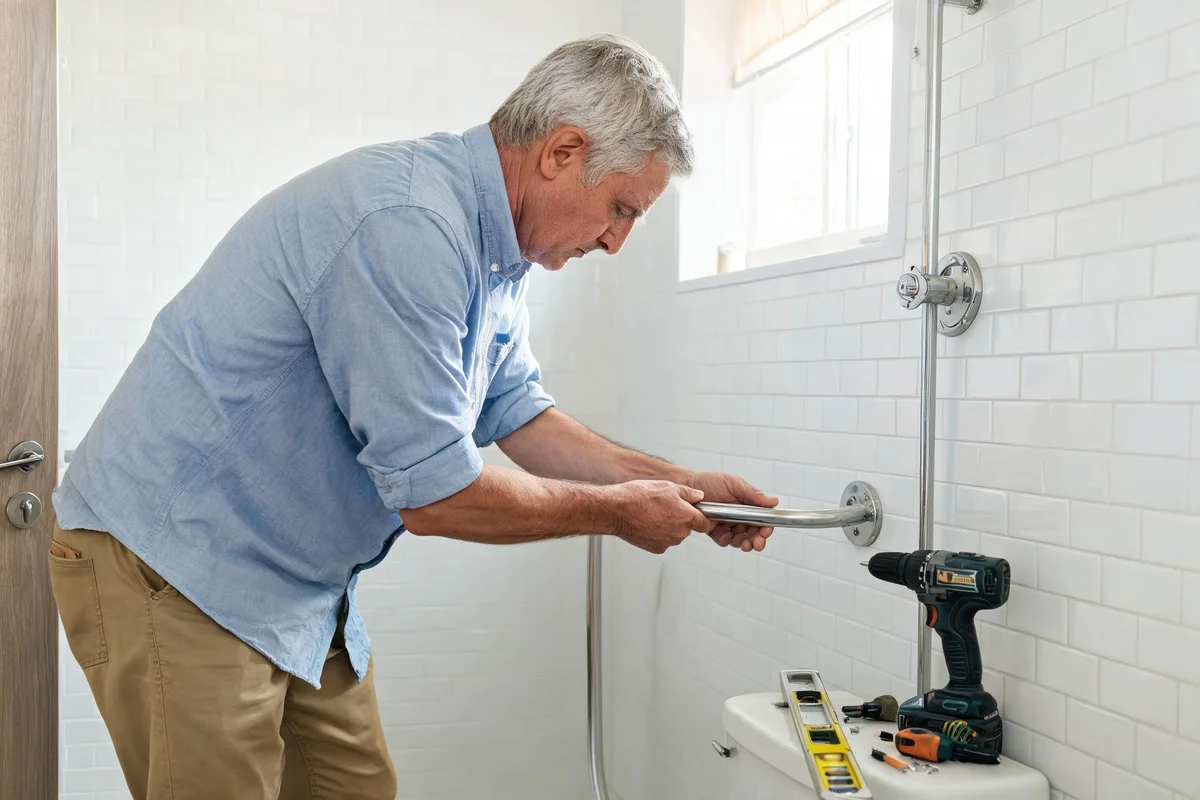
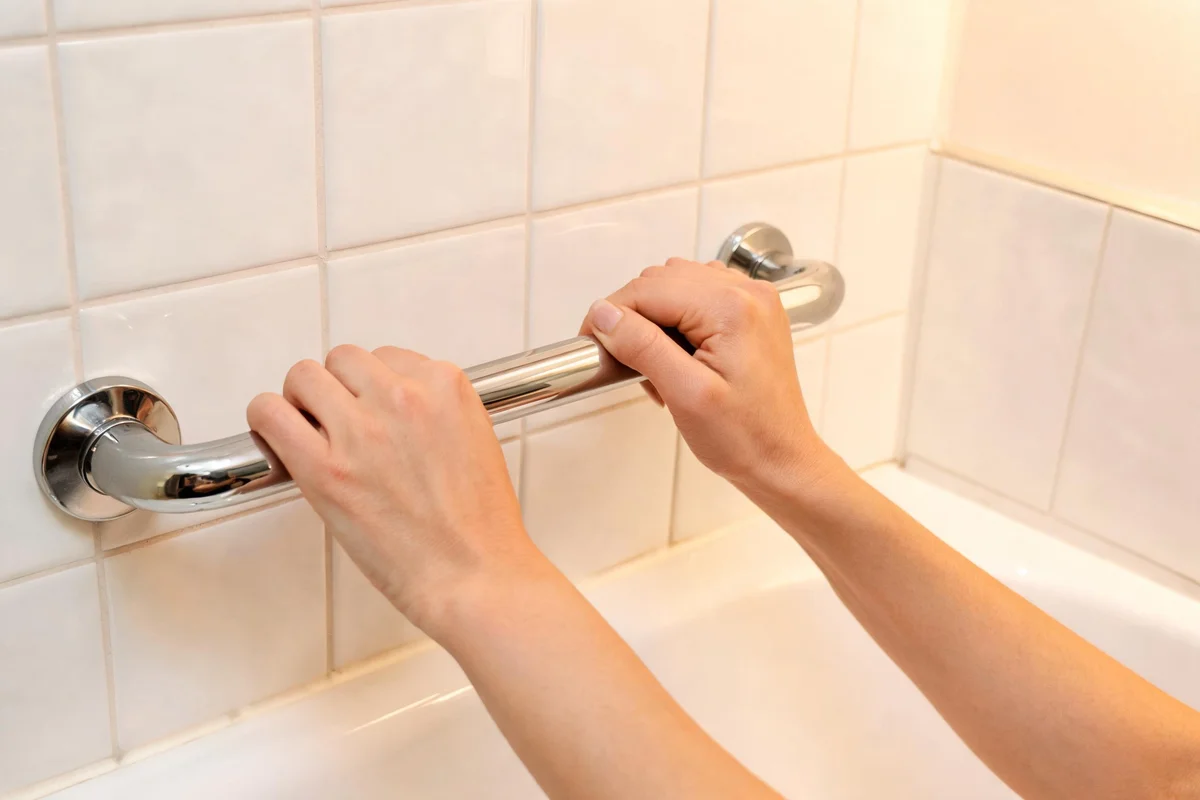
The bathroom is one of the highest-risk rooms in the house, and this is where safety upgrades often make the biggest impact. When balance becomes unreliable, professionally installed grab bars near the toilet, shower, and tub give a solid point to hold onto — and this single upgrade often prevents the worst falls in the house. A non-slip mat inside the shower is a low-cost, high-value addition, and better lighting near the mirror and shower reduces the odds of a misstep.
- Grab bars by the toilet, shower, and bathtub
- Non-slip mats inside and outside the shower
- A shower chair if standing for long periods is difficult
- Nightlights for safer trips during the night
Bedroom Safety
A clear path from the bed to the bathroom is essential, especially for nighttime trips. Keep a lamp, phone, and flashlight within arm's reach of the bed, and consider a bed height that allows feet to touch the floor comfortably when sitting on the edge. A dimmable nightlight helps with safety at home without disrupting sleep.
Stair Safety
Stairs deserve special attention. Relying on just one side is a common mistake — handrails on both sides of the staircase offer far more support, especially going down, and can help prevent falls on the way up too. Every step should be well lit from top to bottom. Worn carpet, loose treads, or clutter left on steps are common causes of falls and should be addressed right away as part of any ongoing fall prevention effort.
Fire and Emergency Preparedness
Working smoke alarms and carbon monoxide detectors are non-negotiable — test them monthly and make sure the alarm is loud enough to hear, including at night. Keep an emergency contact list posted somewhere visible, and store a flashlight in an easy-to-find spot in case the power goes out.
Low-Cost vs. Higher-Investment Safety Modifications
Not every improvement requires a renovation. Removing tripping hazards, adding nightlights, and rearranging furniture cost little to nothing. Bigger investments — a walk-in shower, a stairlift, or widened doorways — matter most for someone with significant mobility needs, and are worth discussing with an occupational therapist before committing to a major renovation.
How a Caregiver Supports Ongoing Safety
A home safety checklist isn't a one-time task. A caregiver, whether family or a professional from a home care services agency, can help by watching for new hazards as health or mobility changes, keeping frequently used items within reach, and gently flagging when it might be time for additional support. Many families start with occasional caregiver visits and add more support as needs grow, which is often the most practical way of ensuring home safety over the years while supporting senior living at home for as long as possible.
Staying safe at home goes hand in hand with staying healthy overall — good nutrition supports the strength and balance that help seniors avoid falls in the first place. Tools like Kalorix can make it easier to keep meals balanced and track progress without the guesswork, as part of a broader approach to senior home safety and wellbeing.
Frequently Asked Questions
What should a home safety checklist for elderly adults include?
A complete senior home safety checklist covers every room — entryway, living room, kitchen, bathroom, bedroom, and stairs — along with fire safety, lighting, and emergency preparedness. The goal is to spot hazards before they cause an injury.
How often should a home safety assessment be done?
Once a year is a reasonable baseline, and again any time there's a change in mobility, vision, or a recent fall or hospital stay.
What are the most common hazards in a senior's home?
Loose rugs, poor lighting, cluttered walkways, missing grab bars, and stairs with a rail on only one side are among the most frequent contributors to falls.
When should I get professional help with home safety?
If mobility needs are significant, or a home requires structural changes like a stairlift or walk-in shower, an occupational therapist or licensed contractor can help plan modifications safely.
This guide shares general home-safety information and doesn't replace the judgment of your own doctor, occupational therapist, or physical therapist — especially where mobility, vision, or balance concerns are involved. For advice tailored to your own situation or a loved one's, please reach out to a qualified healthcare provider.